Pembrokeshire On Screen
Discover the landscapes behind some of film and television’s most memorable scenes
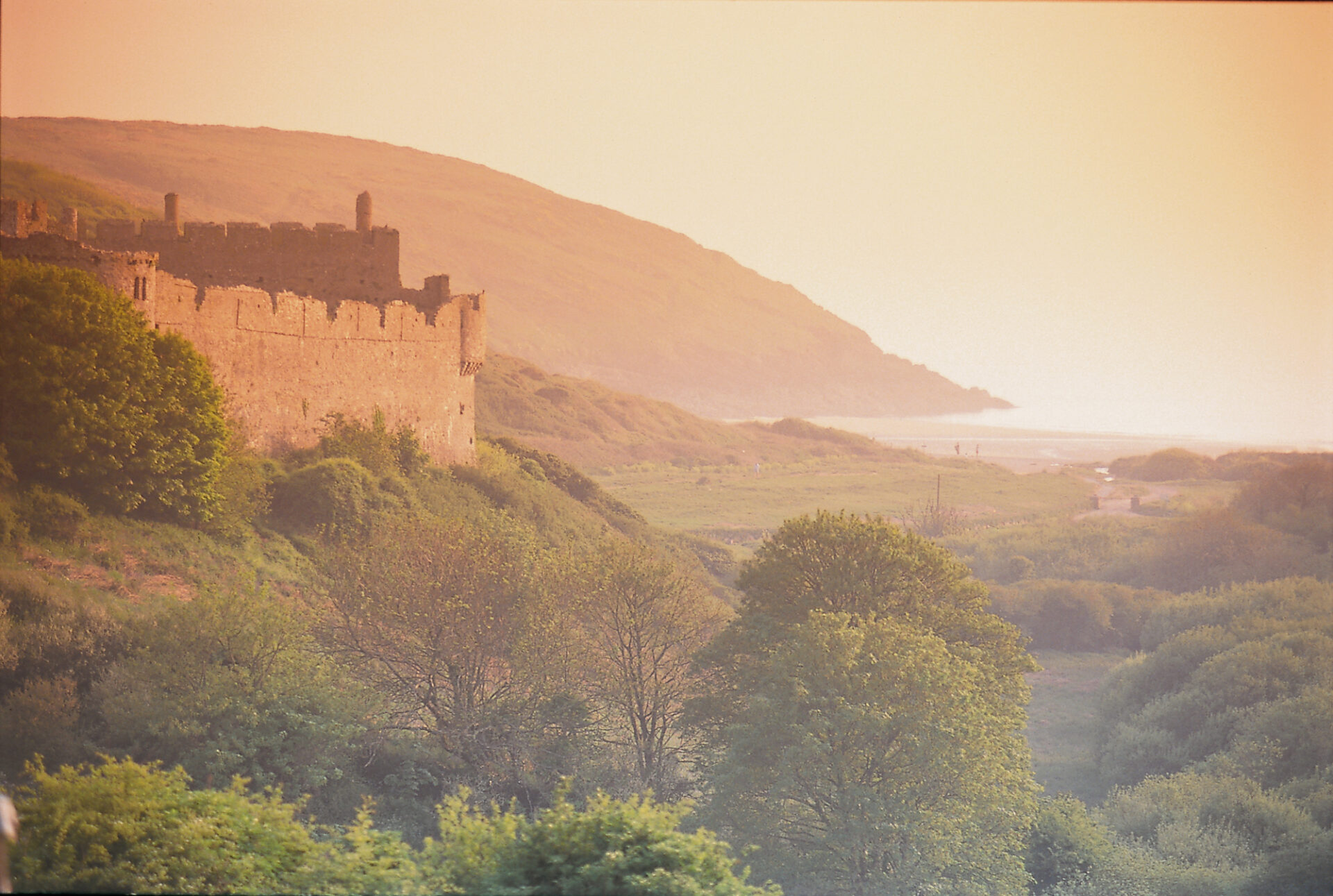
Pembrokeshire’s dramatic coastline, ancient harbours and quietly powerful landscapes have long captured the imagination of filmmakers. From sweeping coastal scenes to intimate, atmospheric settings, the county has become a sought-after filming location for productions drawn to its natural beauty, sense of history and ever-changing light.
For visitors, this offers a wonderful opportunity to explore Pembrokeshire through a different lens, walking beaches, valleys and villages that have appeared on screen, while discovering why this part of Wales translates so naturally to film.
Why Filmmakers Are Drawn To Pembrokeshire
Pembrokeshire offers extraordinary variety within a relatively small area. Wide sandy beaches, rugged cliffs, sheltered harbours, wooded valleys and historic buildings all sit close together, allowing filmmakers to capture a range of moods and settings without travelling far.
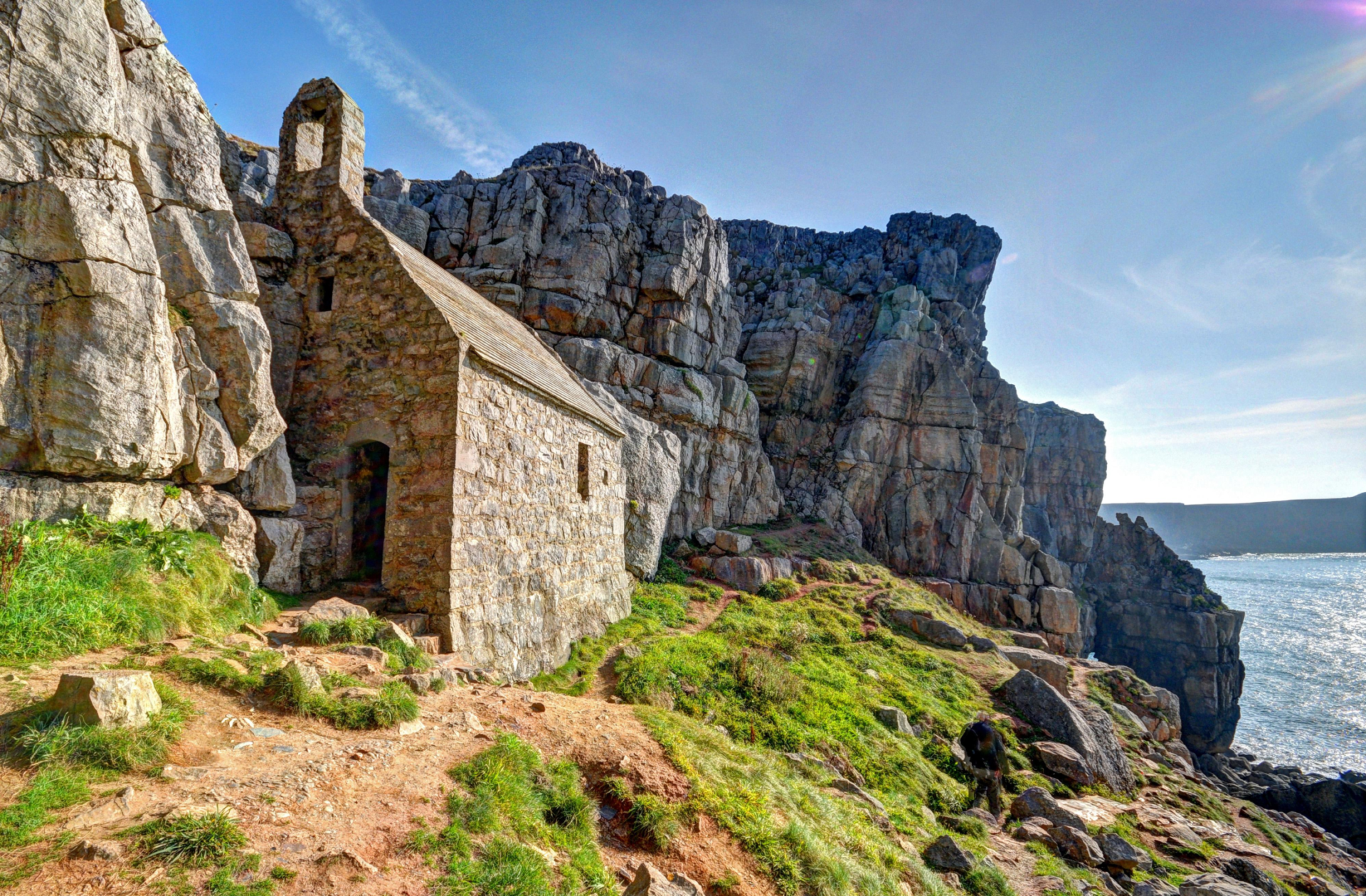
Much of the coastline lies within the Pembrokeshire Coast National Park, where light, weather and sea conditions shift constantly, creating a cinematic backdrop that feels both dramatic and authentic. Combined with the county’s strong cultural identity and deep sense of place, Pembrokeshire has become a natural choice for directors seeking landscapes that carry atmosphere and story.
Harry Potter and Pembrokeshire’s Most Famous Beach
One of Pembrokeshire’s most recognisable moments on screen comes from Harry Potter and the Deathly Hallows – Part 1, when Harry Potter, Hermione Granger and Ron Weasley escape to from Malfoy Manor, with Dobby the Elf.
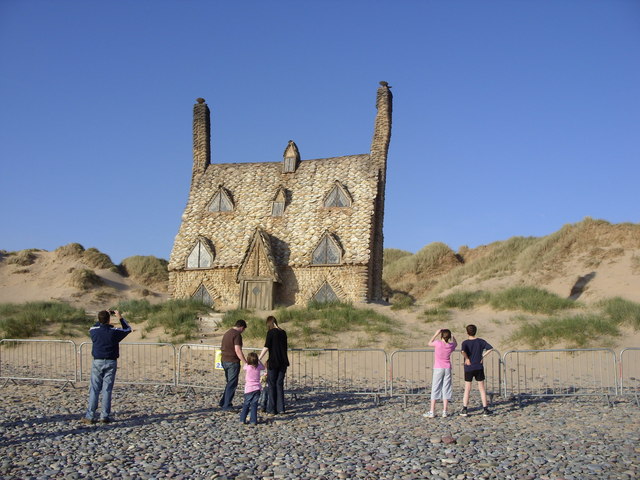
Scenes filmed at Freshwater West were used to create Shell Cottage, the secluded hideaway belonging to Bill and Fleur Weasley. The beach’s wide sands, rolling dunes and exposed Atlantic edge provided the perfect sense of isolation and refuge, becoming one of the film’s most atmospheric settings for the cottage, the death of Dobby, and his burial.
Starring Daniel Radcliffe, Emma Watson and Rupert Grint, the film introduced Pembrokeshire’s coastline to a global audience. Today, visitors can walk the same stretch of beach and recognise the contours of the landscape that helped bring the wizarding world to life – minus the magical disguises of course.
Wartime Wales On Screen: Their Finest
Pembrokeshire also played a starring role in the wartime comedy-drama Their Finest, which starred Gemma Arterton, Bill Nighy and Sam Claflin.
Filmed in 2015, the production used several Pembrokeshire locations to recreate Britain during the Second World War. Freshwater West once again featured prominently, this time doubling for the beaches of Dunkirk, chosen for their vast scale and raw, elemental atmosphere.
Other filming locations included Porthgain Harbour, used for coastal scenes, and the rugged landscape of Trecwn Valley, which provided a dramatic natural backdrop. Inland scenes were shot at The Cresselly Arms in Cresswell Quay, as well as at Palace Cinema in Haverfordwest. Together, these locations showcased the versatility of Pembrokeshire’s landscapes and architecture in evoking a convincing 1940s setting.
Myth, Legend And Medieval Drama
Pembrokeshire’s wild, untamed quality has also made it a natural fit for epic and mythical storytelling. Snow White and the Huntsman, starring Chris Hemsworth, Kristen Stewart and Charlize Theron, used the county’s rugged landscapes to evoke a dark fairytale world shaped by nature and danger. The moody light and raw coastline helped create a sense of ancient wilderness that underpinned the film’s tone.
Similarly, Robin Hood, starring Russell Crowe, returned to Freshwater West and surrounding areas to recreate medieval battle scenes and coastal encounters. The scale of the beach and its elemental character made it ideal for epic storytelling, reinforcing Pembrokeshire’s reputation as a place where history, myth and landscape intersect.
Exploring Pembrokeshire’s Filming Locations Today
Many of Pembrokeshire’s best-known filming locations are easy to visit. Walk the wide sands of Freshwater West, explore working harbours like Porthgain, or venture inland to quieter valleys and villages that have featured on screen.
Often, it’s the lesser-known corners – winding lanes, wooded estuaries and hidden beaches – that reveal why Pembrokeshire feels so cinematic. Light, weather and landscape combine here in ways that are constantly shifting, making every visit feel different.
A Thoughtful Base For Exploring Pembrokeshire On Screen
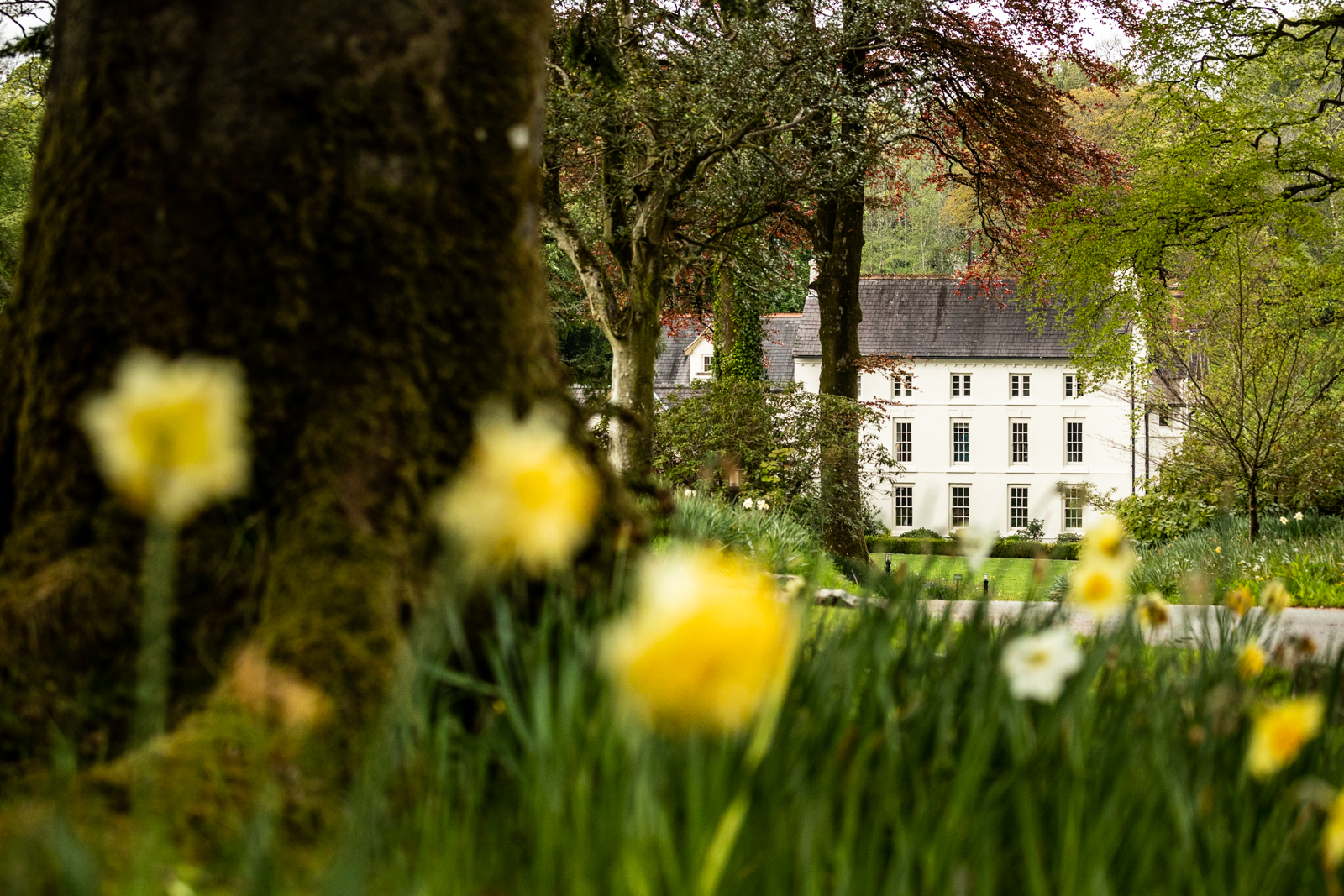
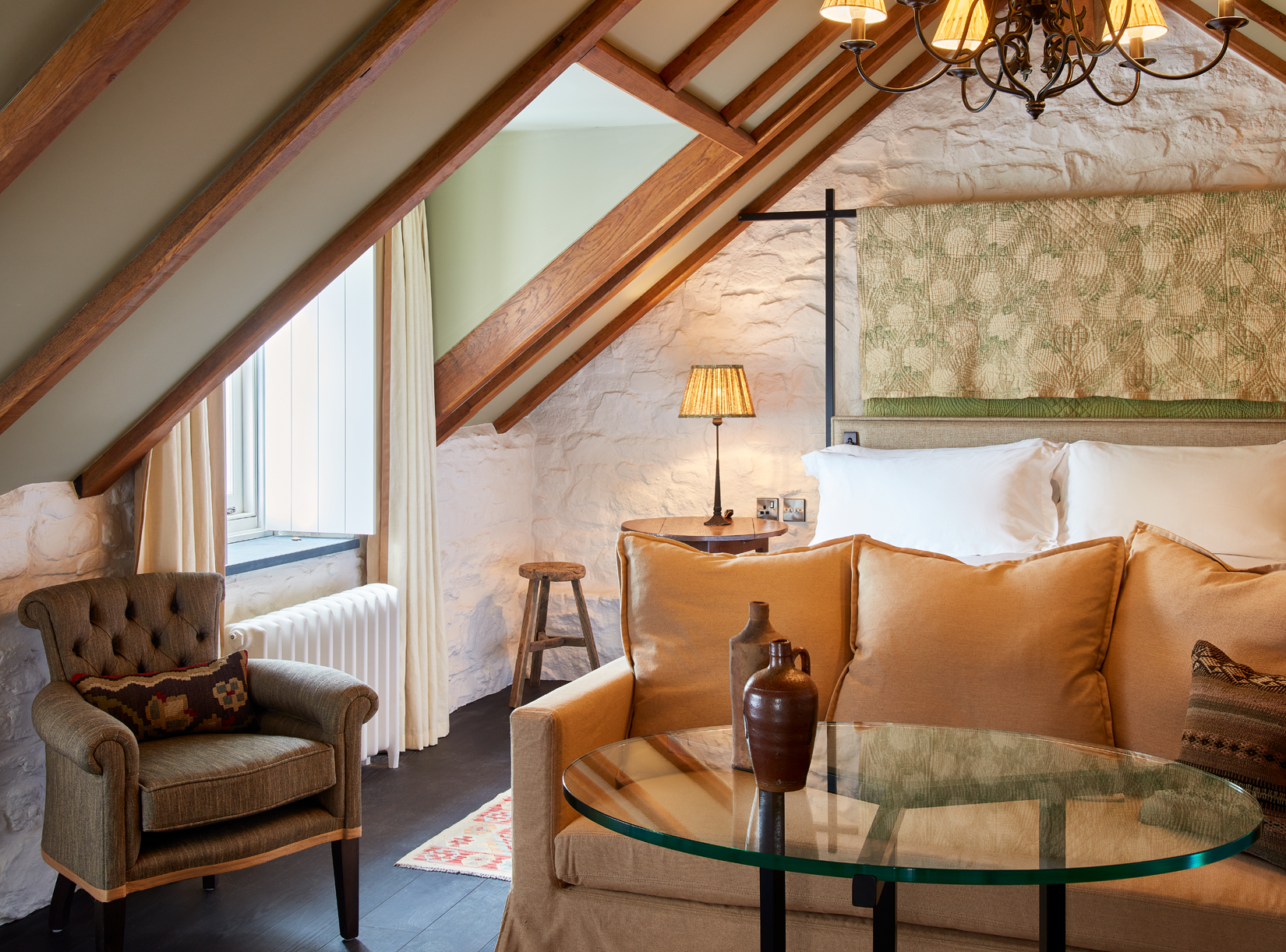
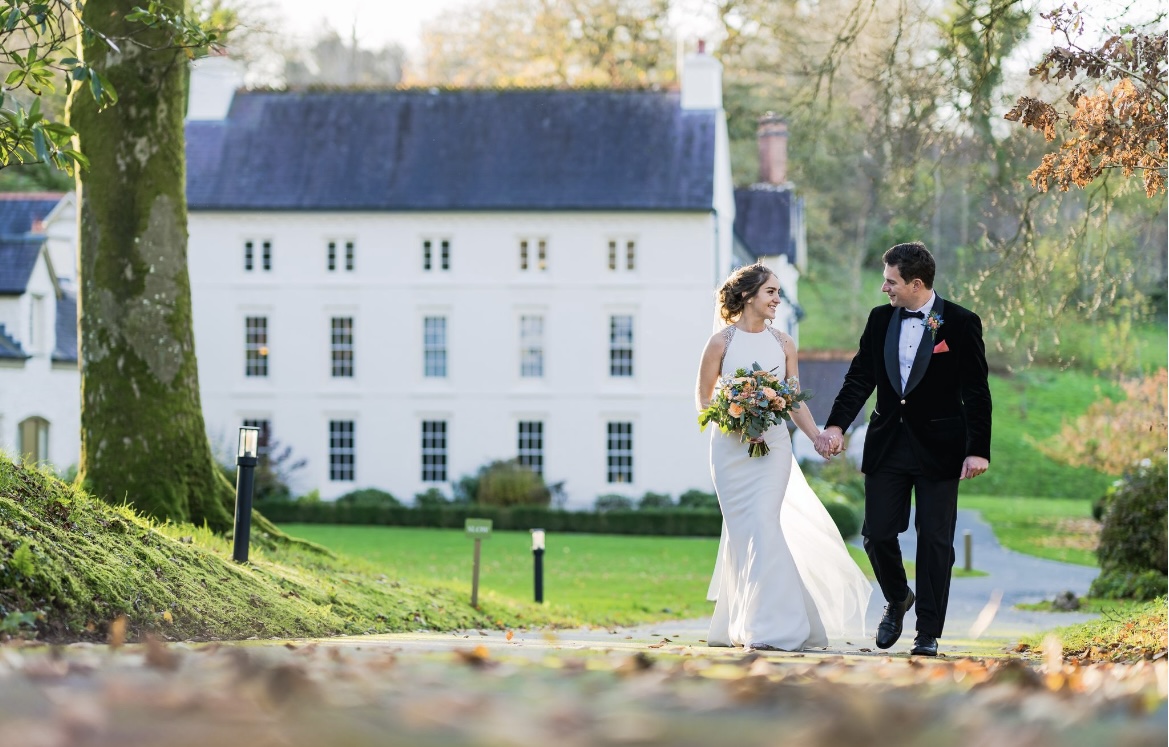
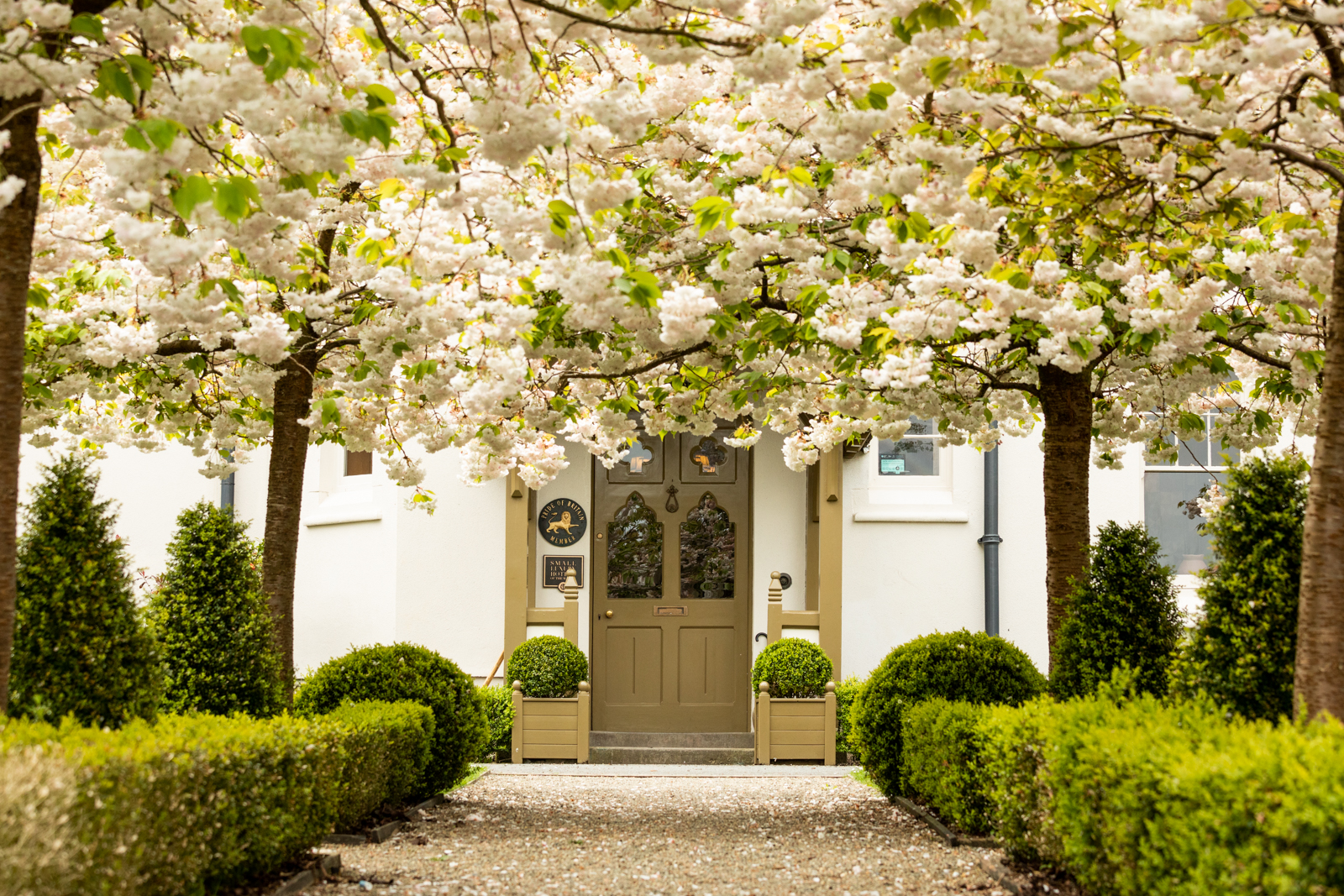
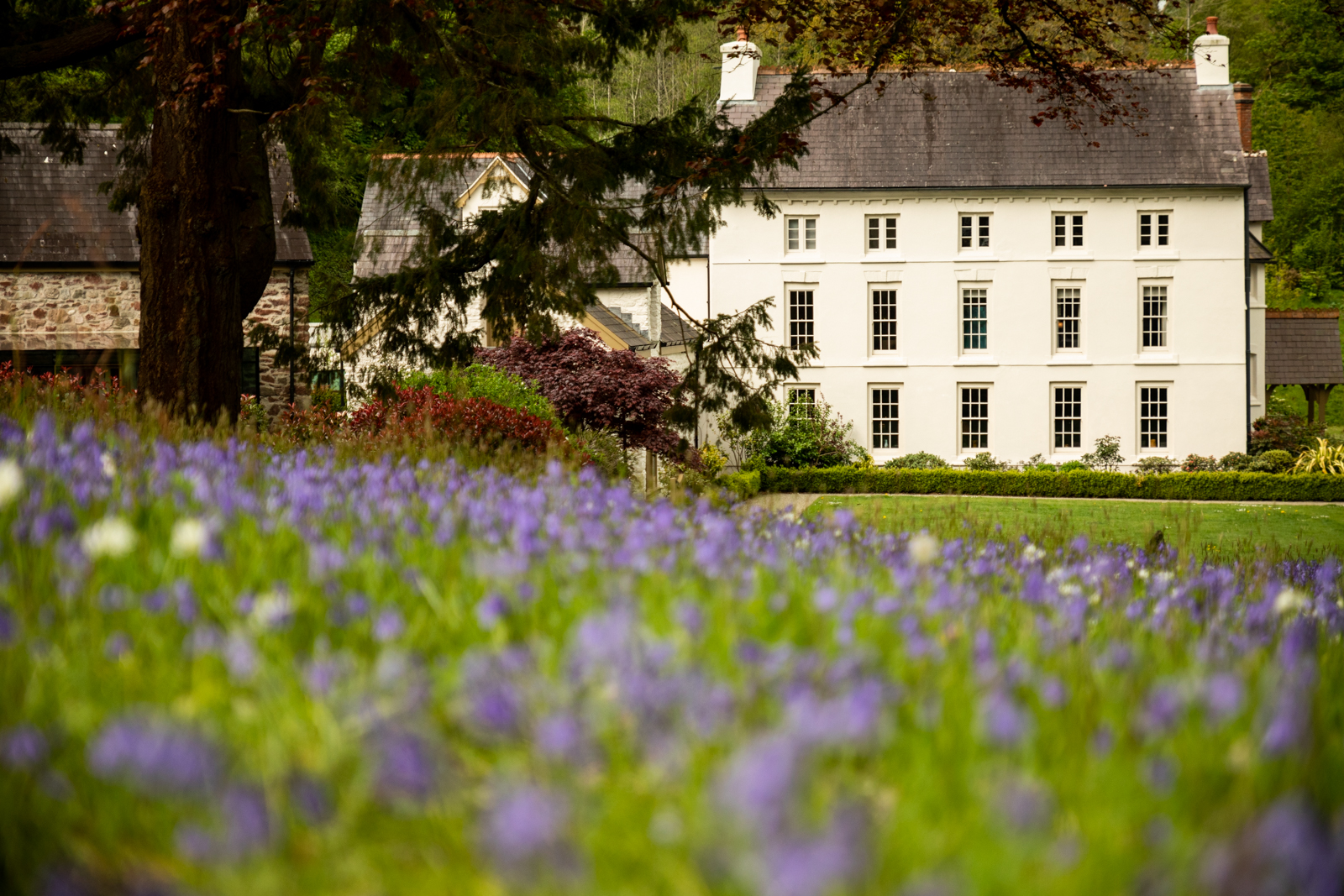
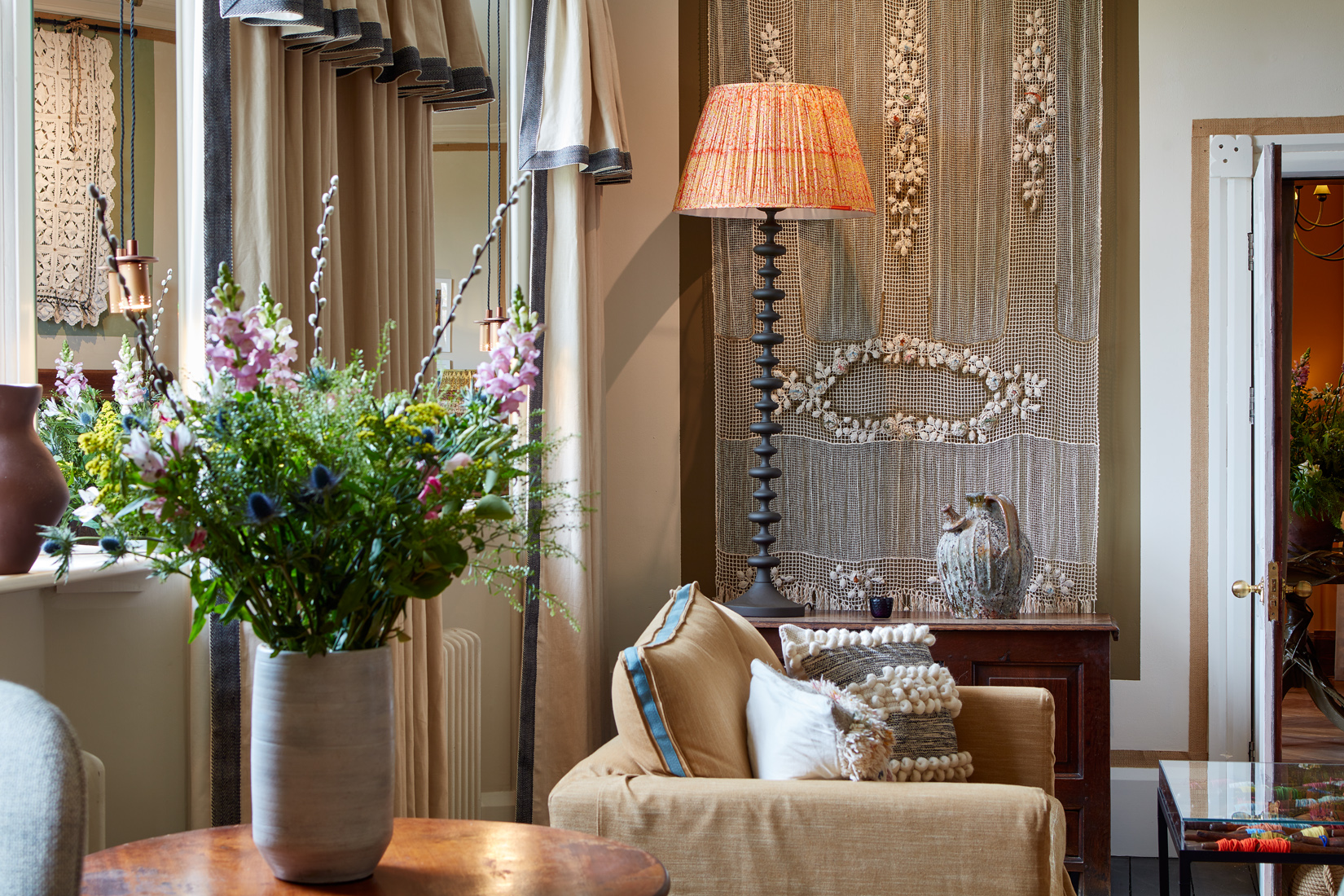
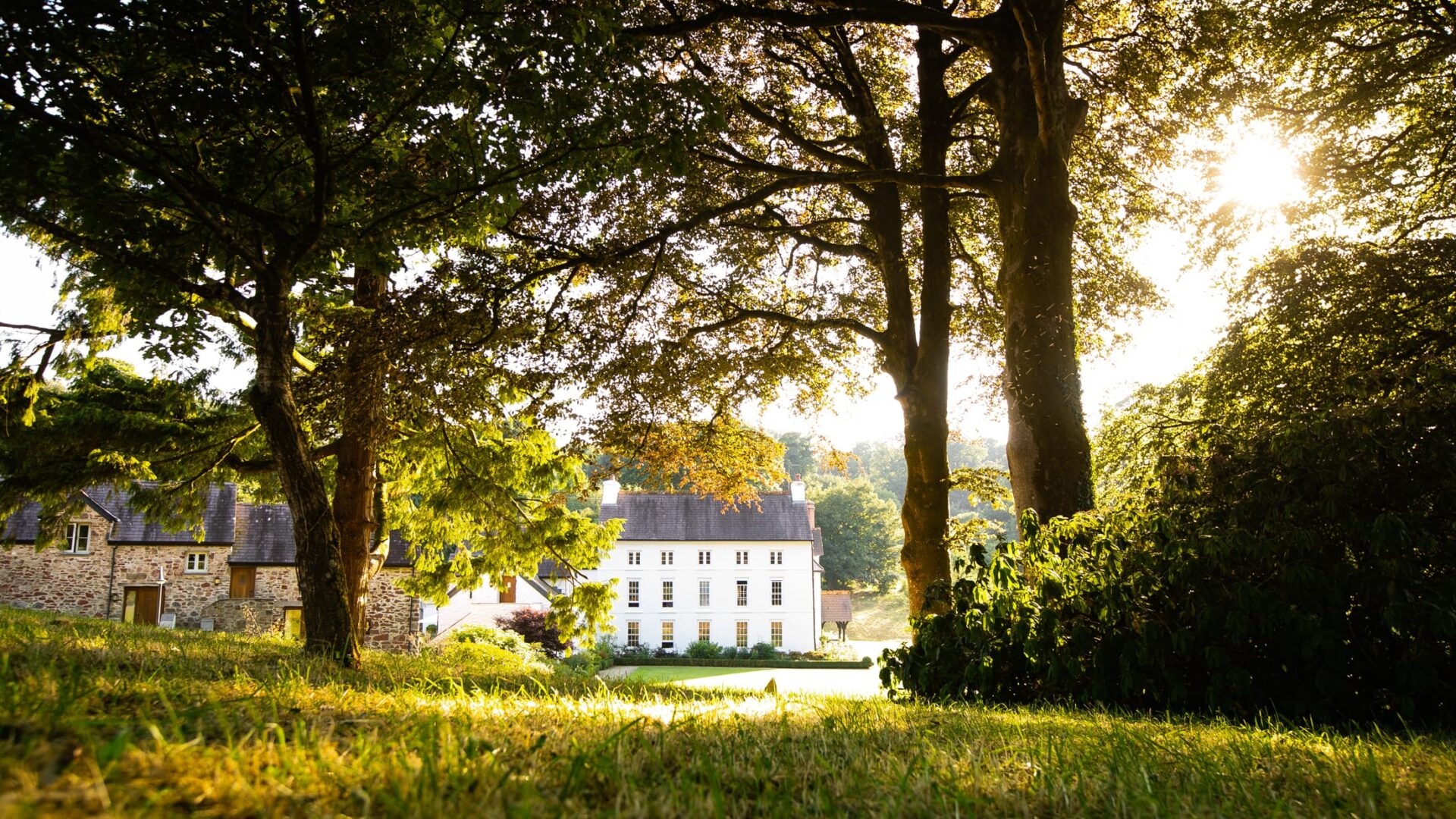
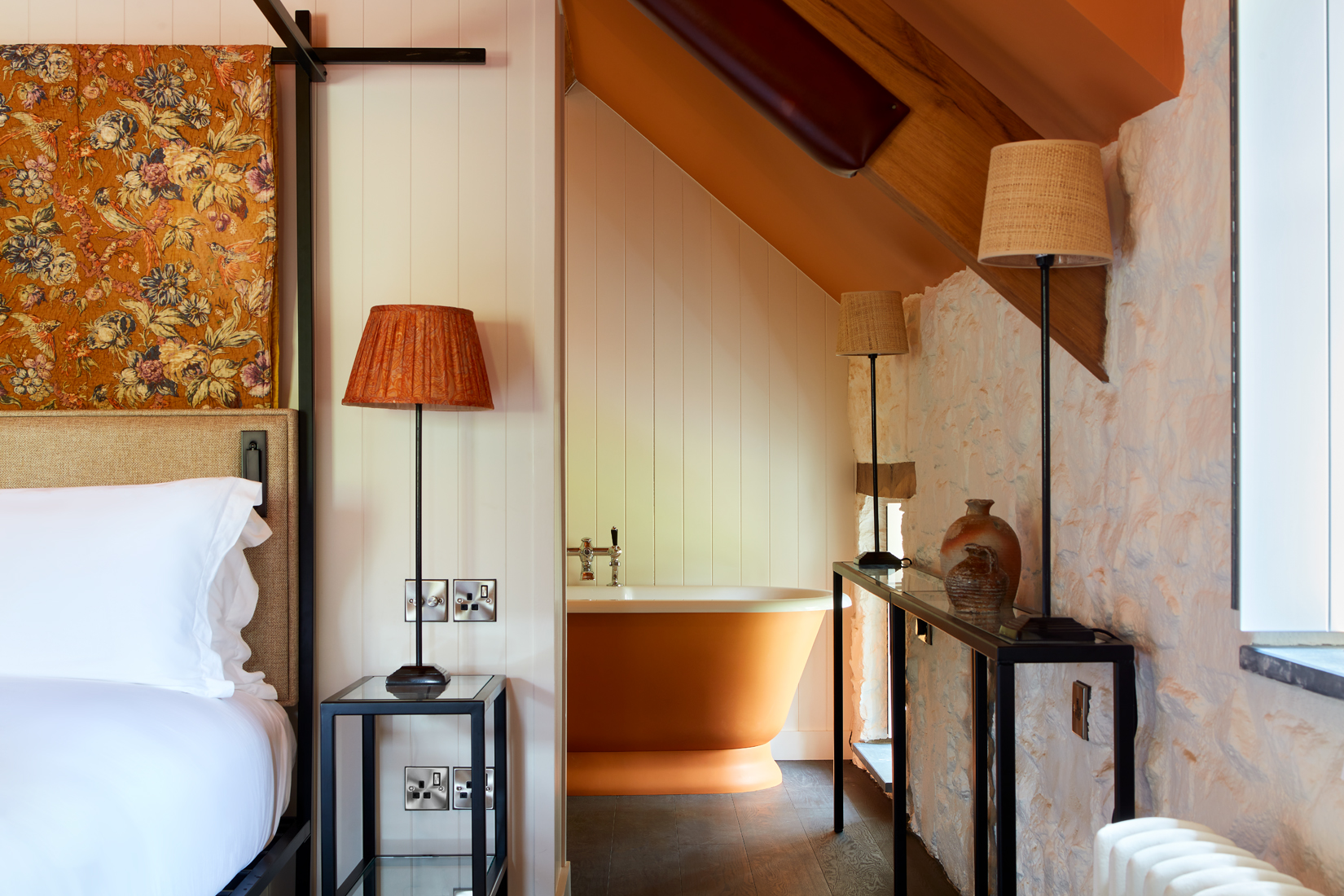
Set within peaceful gardens near Narberth, Grove of Narberth is a peaceful luxury hotel near Pembrokeshire which offers a calm and characterful place to stay while exploring Pembrokeshire’s filming locations. Centrally positioned within the county, Grove provides easy access to both coast and countryside, allowing guests to balance days out with relaxed evenings back at the house.
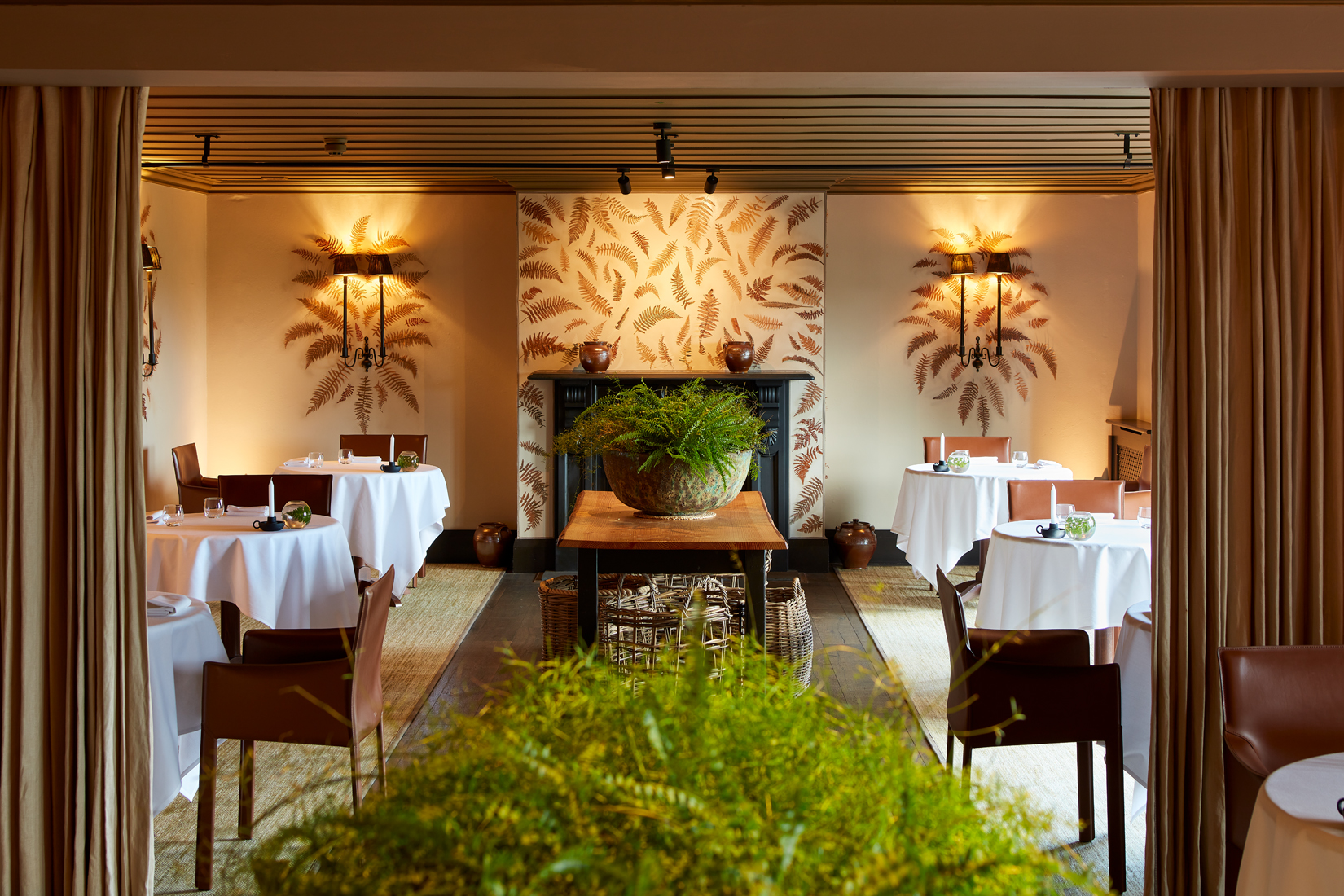
After exploring beaches, harbours and historic towns, return to thoughtful and quintessentially Welsh hospitality. You’ll also be coming back to the seasonal dining and the slower rhythm that defines Grove.
Beyond The Screen
While film and television may introduce Pembrokeshire to a wider audience, the true experience lies in being here. Walking the coastline, feeling the weather and hearing the stories behind each place reveals a deeper connection than the screen alone can offer.
Whether you’re drawn by cinema, landscape or curiosity, exploring Pembrokeshire’s filming locations is a rewarding way to discover one of Wales’s most visually compelling counties.